Prion Protein Aptamer Details
ID# 7557
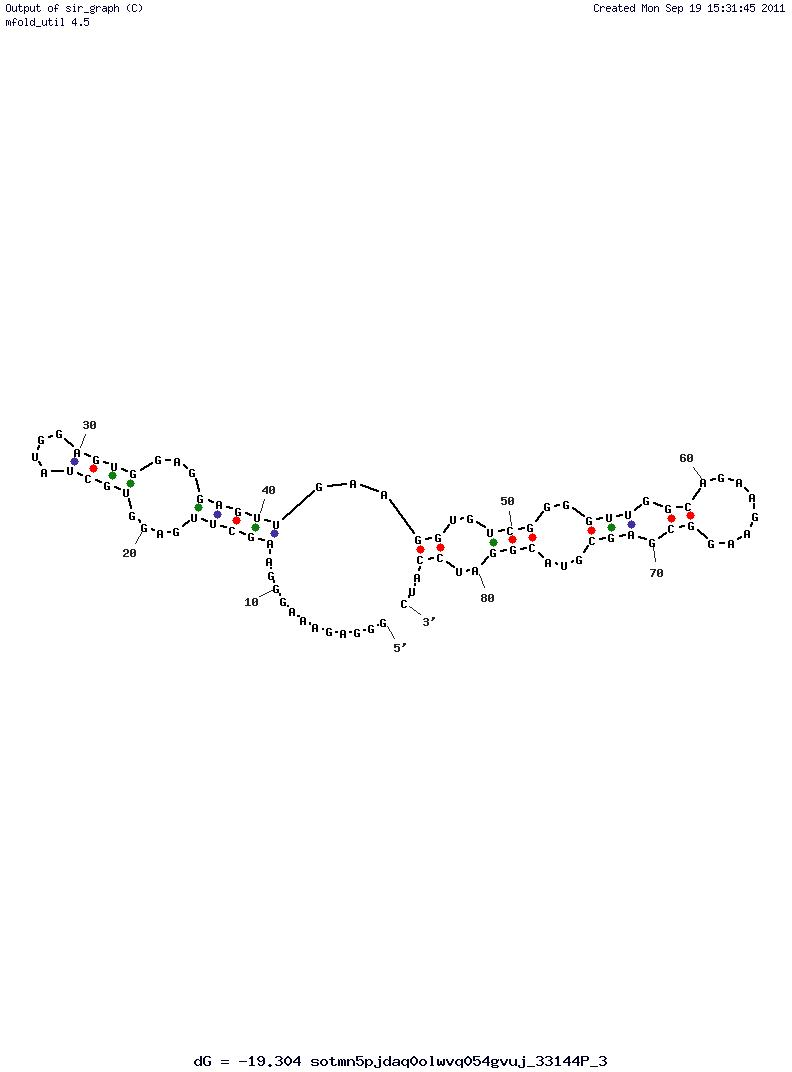
Structure
Chemistry
DNA
Target
Prion Protein
Category
Protein
Affinity (Kd)
100 nM
Length
86
Aptazyme
No
Sequence (3-char table code)
G
A
C
U/T
5'-rGprGprGprAprGprAprAprAprGprGprGprAprAprGpnCpnUpnUprGprAprGprGpnUprGpnCpnUprApnUprGprGprAprGpnUprGprGprAprGprGprAprGpnUpnUprGprAprAprGprGpnUprGpnUpnCprGprGprGprGpnUpnUprGprGpnCprAprGprAprAprGprAprAprGprGpnCprGprAprGpnCprGpnUprApnCprGprGprApnUpnCpnCprApnUpnCp-3'
Molecular Weight: 42720.3
Extinction Coefficient: 889500
Binding Conditions / Buffer
Binding Buffer (8um urea, 20 mm sodium phosphate, 500 mm sodium chloride (pH 7.8)) Selection Buffer (155 mM NaCl, 1.1 mM KH2PO4, 3.0 mM Na2HPO4, 1.0 mM MgCl2 (pH 7.4))
Binding Temp:
Refolding Protocol
If the oligo is a known aptamer sequence: For binding studies, perform a refolding protocol to ensure proper function (i.e. binding to antigen or target). Refer to the aptamer reference source for the appropriate refolding parameters and binding conditions. Note: it is unknown whether aptamer functions properly without refolding.
Note: Information on this aptamer oligo was obtained from the literature and hasn't been validated by Aptagen.
Reference
Proske et al. "Prion-Protein-Specific Aptamer Reduces PrPSc Formation." Chem-Biochem, 3(2002): 717-725.
Request a Quote
Have your aptamer oligo synthesized by Aptagen.