
Chloramphenicol-binding aptamer(c7) Aptamer Details
ID# 7711
Structure
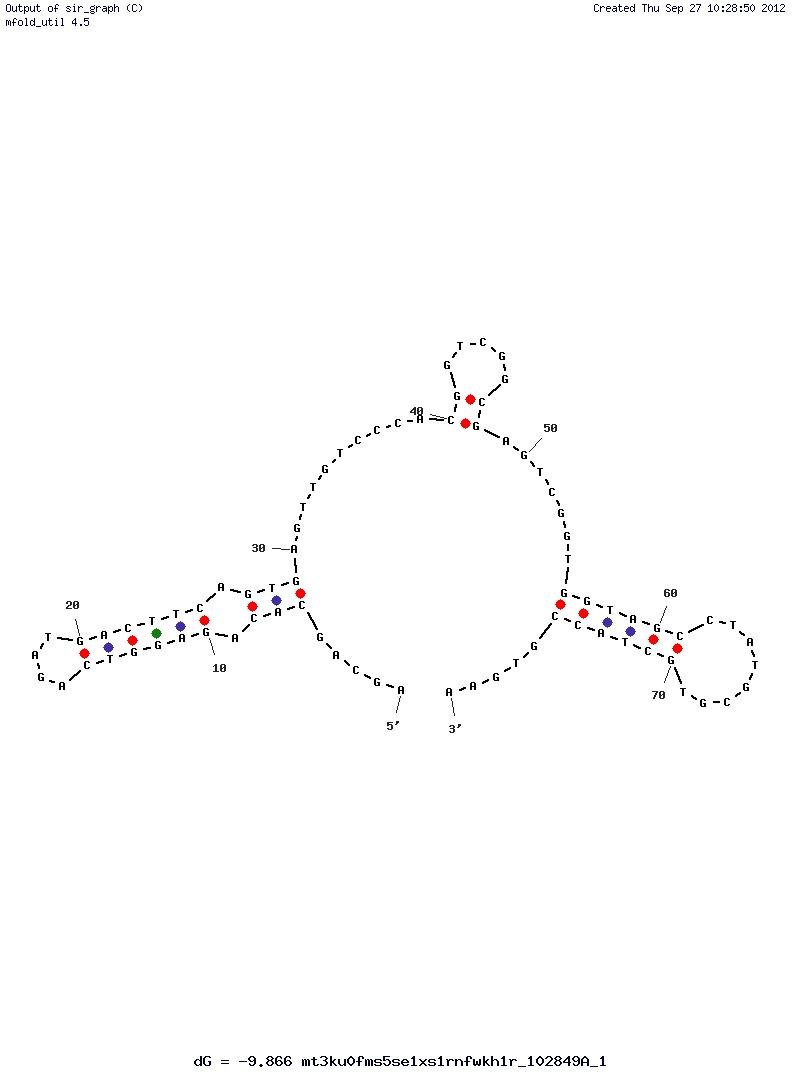
Chemistry
DNA
Target
chloramphenicol (cam)
Category
Small Organic
Affinity (Kd)
0.766 µM
Length
80
Aptazyme
No
Sequence (3-char table code)
G
A
C
U/T
5'-dApdGpdCpdApdGpdCpdApdCpdApdGpdApdGpdGpdTpdCpdApdGpdApdTpdGpdApdCpdTpdTpdCpdApdGpdTpdGpdApdGpdTpdTpdGpdTpdCpdCpdCpdApdCpdGpdGpdTpdCpdGpdGpdCpdGpdApdGpdTpdCpdGpdGpdTpdGpdGpdTpdApdGpdCpdCpdTpdApdTpdGpdCpdGpdTpdGpdCpdTp dApdCpdCpdGpdTpdGpdApdAp-3'
Molecular Weight: 24817.1
Extinction Coefficient: 774600
Binding Conditions / Buffer
100mM NaCl, 20 mM Tris-HCl, 2 mM MgCl2, 5 mM KCl, 1 mM CaCl2, 0.02 Tween 20, pH 7.6, r.t.
Binding Temp:
Refolding Protocol
If the oligo is a known aptamer sequence: For binding studies, perform a refolding protocol to ensure proper function (i.e. binding to antigen or target). Refer to the aptamer reference source for the appropriate refolding parameters and binding conditions. Note: it is unknown whether aptamer functions properly without refolding.
Note: Information on this aptamer oligo was obtained from the literature and hasn't been validated by Aptagen.
Reference
J Mehta et al. In vitro selection and characterization of DNA aptamers recognizing chloramphenicol. J. Biotechnol. 155(2011): 361-369.
Request a Quote
Have your aptamer oligo synthesized by Aptagen.